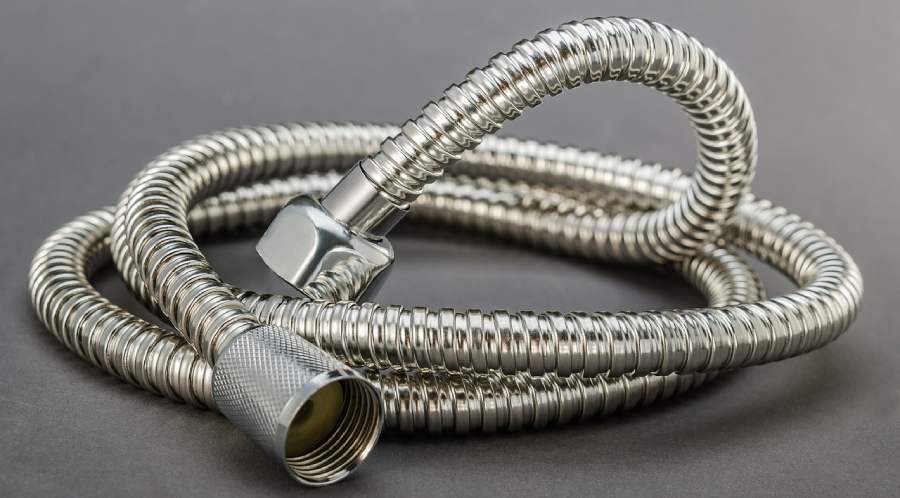
Walk into any major industrial facility and you’ll spot them everywhere. Those gleaming pipes that seem to handle the toughest jobs while other materials fail around them. Stainless steel piping has become the backbone of modern industry, but not everyone understands why.
The applications run deeper than most people realize. Companies like Arch City Steel supply these pipes to industries where failure isn’t just expensive – it’s catastrophic. When a chemical plant shuts down because of piping failure, the losses can hit millions per day. When a pharmaceutical facility loses a batch due to contamination, months of work disappear.
But what exactly makes stainless steel the go-to choice for these critical applications? And why do smart engineers keep specifying it even when budgets get tight?
Chemical Processing: Where Lives Depend on Your Piping Choice
Chemical plants push materials to their limits. Temperatures that would melt other pipes. Pressures that would burst standard tubing. Chemicals that eat through metal like acid through paper.
Stainless steel pipes handle these conditions because they have to. Grade 316L resists sulfuric acid, nitric acid, and phosphoric acid – chemicals that destroy carbon steel in hours. The chromium content creates a protective layer that rebuilds itself when damaged.
Think about what happens when piping fails in a chemical plant. Emergency shutdowns. Hazmat teams. Evacuations. The EPA gets involved. Insurance claims that take years to settle.
The smart plant managers learned this lesson early. They specify stainless steel pipes from the start, even when accountants complain about costs. The alternative is explaining to executives why production stopped and cleanup crews are wearing hazmat suits.
Reactor vessels need Grade 321 or 347 stainless steel tubing for high-temperature service. These grades resist carbide precipitation that weakens other stainless steels at elevated temperatures. When reactor temperatures hit 1500°F, ordinary materials turn to scrap metal.
Heat exchangers rely on thin-wall stainless steel tubing for maximum heat transfer. The smooth interior surface doesn’t foul like other materials, keeping efficiency high and maintenance costs low.
Food and Pharmaceutical: Where Contamination Means Disaster
Food processing facilities face a nightmare scenario that keeps quality managers awake at night. Bacterial contamination. Product recalls. News stories about people getting sick.
Stainless steel pipes prevent these disasters because they don’t harbor bacteria like other materials. The non-porous surface resists bacterial growth even when cleaning cycles are missed. Grade 316L meets FDA requirements without special coatings that can chip or peel.
Dairy processing plants pump millions of gallons through stainless steel piping systems. The material handles the cleaning chemicals used for sanitization – caustic solutions that would corrode other pipes. The smooth interior prevents milk proteins from adhering and creating contamination sites.
Pharmaceutical manufacturing takes this requirement even further. Every surface that contacts the product must meet strict cleanliness standards. Stainless steel pipes can be electropolished to remove microscopic surface imperfections where bacteria might hide.
The welding in pharmaceutical systems requires special attention too. Orbital welding creates consistent, contamination-free joints that manual welding can’t match. Back-purging prevents oxidation that creates crevices where contaminants collect.
CIP (Clean-in-Place) systems depend on stainless steel piping to handle the harsh cleaning chemicals without degradation. These systems pump caustic solutions at high temperatures to remove product residue and kill bacteria.
Oil and Gas: Surviving the Harshest Environments
Offshore platforms face conditions that destroy most materials. Salt spray. Temperature extremes. Pressures that test engineering limits. Hydrogen sulfide that causes other metals to crack.
Stainless steel pipes handle sour gas service where carbon steel fails catastrophically. Grade 316L resists chloride stress corrosion cracking in marine environments. Duplex stainless steels like 2205 provide even better resistance in the most aggressive conditions.
Refineries process crude oil that contains sulfur compounds, organic acids, and other corrosive materials. Stainless steel piping in distillation columns handles these conditions while carbon steel would require constant replacement.
The safety implications are huge here. When piping fails in an oil refinery, fires and explosions can follow. The Texas City refinery explosion in 2005 killed 15 people and injured 180 others. Equipment failure played a role in that disaster.
Subsea pipelines use stainless steel in critical applications where repair is nearly impossible. When a pipe fails 2000 feet underwater, the repair costs dwarf the material savings from choosing cheaper alternatives.
Power Generation: Keeping the Lights On
Power plants can’t afford downtime. When a major plant goes offline, electricity prices spike across the region. Backup plants must scramble to fill the gap. The economic impact ripples through entire industries.
Steam systems in power plants operate at extreme temperatures and pressures. Superheated steam at 1000°F and 3500 PSI will destroy ordinary piping in short order. Stainless steel pipes handle these conditions because the material maintains strength at high temperatures.
Nuclear power plants require materials that won’t become radioactive or corrode in the reactor environment. Stainless steel pipes carry coolant through the reactor core where radiation levels would destroy other materials.
Cooling water systems use stainless steel where corrosion would create problems. The smooth interior surface prevents marine growth that reduces heat transfer efficiency. This matters when cooling water temperatures affect plant output.
Boiler feedwater systems demand materials that won’t contaminate the steam cycle. Iron contamination from carbon steel pipes can deposit on turbine blades, reducing efficiency and requiring expensive cleaning.
Aerospace and Defense: Where Failure Isn’t an Option
Aircraft systems operate in environments that test materials beyond normal limits. Temperature swings from -65°F at altitude to 200°F on the tarmac. Pressure cycles that flex materials thousands of times per flight.
Stainless steel tubing in hydraulic systems handles pressures up to 5000 PSI while maintaining leak-tight integrity. The fatigue resistance prevents crack formation that would cause catastrophic system failure.
Fuel systems require materials that resist corrosion from aviation fuels while preventing contamination. Stainless steel pipes don’t shed particles that could clog fuel injectors or damage engines.
The weight considerations in aerospace applications favor thin-wall stainless steel tubing over heavier alternatives. Grade 321 provides excellent strength-to-weight ratios for high-temperature applications.
Military applications often require materials that resist chemical weapons and extreme environments. Stainless steel pipes handle decontamination chemicals that would destroy other materials.
Marine Applications: Fighting the Ocean’s Assault
Seawater corrodes most metals with relentless efficiency. The combination of salt, oxygen, and constant movement creates conditions that few materials survive.
Marine piping systems use stainless steel because it resists pitting and crevice corrosion in seawater. Grade 316L provides good resistance for most applications, while super-duplex grades handle the most aggressive conditions.
Ballast water systems on ships pump millions of gallons of seawater that contains marine organisms and dissolved salts. Stainless steel pipes handle this service while carbon steel would require frequent replacement.
Desalination plants create some of the most corrosive conditions imaginable. High-temperature brine attacks most materials aggressively. Stainless steel pipes in these plants must resist both general corrosion and stress corrosion cracking.
Pulp and Paper: Handling Aggressive Chemicals
Pulp and paper mills use chemicals that would frighten most engineers. Chlorine dioxide for bleaching. Sodium hydroxide for delignification. Sulfuric acid for various processes.
Stainless steel pipes in bleach plants handle these chemicals because they resist the specific corrosion mechanisms that destroy other materials. The chlorine resistance of Grade 316L prevents pitting that would cause leaks.
Digesters operate at high temperatures and pressures with caustic solutions that dissolve wood fibers. Stainless steel piping in these systems maintains integrity where carbon steel would fail rapidly.
The high-purity water systems in paper mills require materials that won’t contaminate the process. Stainless steel pipes provide the cleanliness needed for high-quality paper production.
Making the Right Choice for Your Application
The industries that depend on stainless steel pipes share common threads. They can’t afford failures. They handle aggressive materials. They operate under extreme conditions.
Perhaps your application doesn’t seem as critical as a nuclear power plant or chemical refinery. But ask yourself this: what happens when your piping system fails? What does downtime cost? How long does repair take?
These questions usually lead to the same conclusion that drives engineers in critical industries. The upfront cost of stainless steel pipes pays for itself through reduced maintenance, longer service life, and avoided failures.
The next time you specify piping materials, think about the hidden costs of choosing the wrong material. Stainless steel might cost more initially, but it delivers value when other materials let you down.
Your operation deserves piping that won’t quit when conditions get tough. The track record speaks for itself across every industry that can’t afford to fail.
Featured Image Source: https://pixabay.com/photos/hose-flexibility-equipment-tube-5478113
