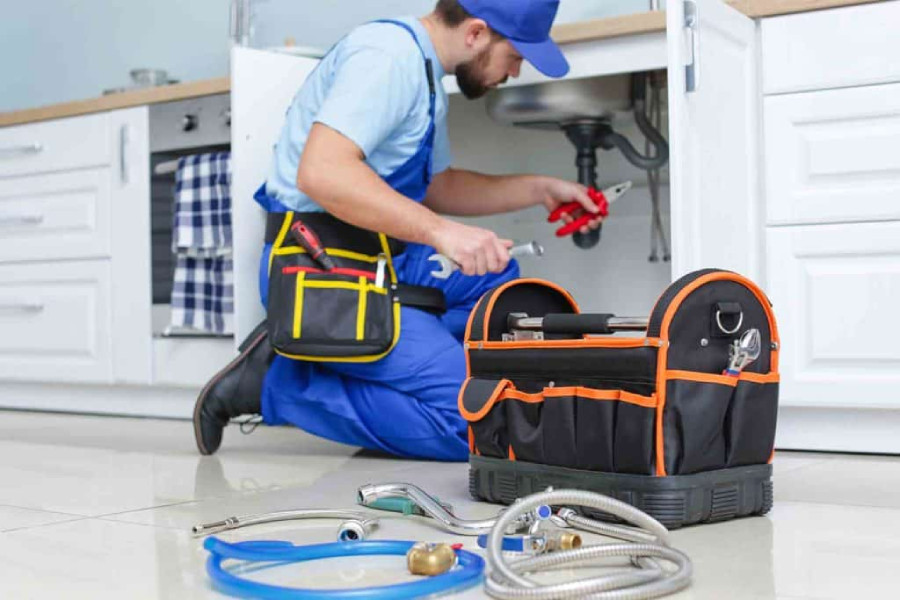
Picture two different scenarios. In the first, you wake up at 3 AM to the sound of rushing water and discover a burst pipe flooding your basement. Second, you’re planning ahead and want to replace those old faucets before they start causing problems.
These situations couldn’t be more different in terms of urgency and timing. One demands immediate action to prevent disaster. The other gives you time to research, plan, and schedule at your convenience.
The question many homeowners face is whether they need different contractors for these vastly different needs. Can one local plumber in my area really handle both emergency disasters and routine maintenance jobs effectively?
The answer might surprise you. Most established local plumbers not only can handle both types of work – they prefer it. Building relationships with customers who call for both emergencies and routine services helps them run more stable businesses while providing better service to their communities.
What Counts as Emergency Plumbing?
Emergency plumbing situations share one common characteristic: they can’t wait until tomorrow morning or next week without causing significant damage or health risks.
Burst Pipes
Nothing creates panic quite like a pipe that splits open and starts shooting water across your basement or crawl space. These failures often happen during winter when freezing temperatures cause pipes to expand and crack. But they can also result from age, corrosion, or excessive water pressure.
The damage escalates quickly. A burst pipe can dump hundreds of gallons per hour into your home, destroying floors, furniture, and creating perfect conditions for mold growth.
Sewage Backups
When sewage starts backing up into your home through floor drains, toilets, or other fixtures, you’re dealing with both property damage and serious health hazards. The bacteria and pathogens in sewage can cause illness, especially in children and elderly family members.
These situations require immediate professional attention because the contamination spreads rapidly and creates lasting health risks if not properly cleaned and disinfected.
Water Heater Failures
Water heaters can fail in spectacular ways. Gas units might start leaking carbon monoxide. Electric units can create fire hazards or flood your basement when tanks rupture. In winter, complete loss of hot water can make your home barely livable.
Some water heater problems also affect your home’s heating system if you have a boiler or radiant floor heating that depends on the same unit.
Major Leaks
Large leaks from supply lines, fixtures, or appliances can cause thousands of dollars in damage within hours. Even “small” leaks that soak into walls or floors can create structural problems and mold issues that cost far more to fix than the original leak.
The key factor in all these emergencies is time. Every hour you wait increases the potential damage and repair costs. This is why emergency plumbers charge premium rates – they’re preventing disasters, not just fixing problems.
Routine Plumbing Jobs Local Plumbers Commonly Handle
Routine plumbing work encompasses everything that doesn’t require immediate action to prevent damage or health risks. These jobs often provide better profit margins for plumbers because they can schedule them during normal business hours and work more efficiently.
Preventive Maintenance
Smart homeowners schedule regular plumbing maintenance to catch problems before they become emergencies. This includes drain cleaning, pipe inspections, water pressure testing, and checking for small leaks that could grow into big problems.
Annual maintenance visits cost a fraction of emergency repairs and often include multiple services bundled together at discounted rates.
Fixture Installations and Replacements
Installing new toilets, sinks, faucets, and shower heads represents a significant portion of routine plumbing work. These projects rarely qualify as emergencies, but they require the same skills and licensing as emergency repairs.
Many homeowners prefer scheduling these installations during kitchen or bathroom renovations when other contractors are already working in the space.
Leak Detection and Minor Repairs
Not all leaks require emergency response. Slow drips from faucets, minor toilet leaks, or small pipe leaks that aren’t causing immediate damage can usually wait for normal scheduling.
These jobs often lead to bigger projects when plumbers discover underlying issues during their inspections.
Seasonal Plumbing Services
Local plumbers stay busy year-round with seasonal services. Fall appointments focus on winterizing pipes and checking heating systems. Spring visits often involve testing outdoor spigots and irrigation systems after winter freeze damage.
These seasonal services help prevent many winter emergencies by identifying vulnerable pipes and fixtures before cold weather arrives.
Water Quality Improvements
Installing water filtration systems, water softeners, and reverse osmosis units falls into the routine category. These projects improve water quality and protect plumbing fixtures from mineral buildup, but they rarely qualify as urgent repairs.
The installation process can take several hours and requires permits in some areas, making advance scheduling essential.
How to Choose the Right Local Plumber
Not all local plumbers offer the same range of services or maintain the same quality standards. Choosing the right one for both emergency and routine work requires careful evaluation of several factors.
Licensing and Insurance
Verify that any plumber you consider holds proper licensing for your area and carries liability insurance. Most states require plumbing licenses for anyone working on water supply or sewer systems. Insurance protects you if something goes wrong during the work.
Don’t assume that all working plumbers have proper credentials. Some handymen and unlicensed contractors advertise plumbing services without proper qualifications.
Emergency Response Times
Find out what “emergency service” actually means. Some plumbers offer same-day emergency response during business hours but don’t provide true 24-hour service. Others charge enormous premiums for after-hours calls.
Ask about typical response times for different types of emergencies and what additional charges apply for after-hours service.
Customer Reviews and References
Online reviews provide insight into both emergency response and routine service quality. Look for patterns in customer feedback about response times, work quality, pricing, and follow-up service.
Pay particular attention to reviews that mention emergency situations. These often provide the most honest feedback about how the plumber performs under pressure.
Questions to Ask Before Hiring
When interviewing potential plumbers, ask specific questions about their capabilities:
- Do you offer 24-hour emergency service every day of the year?
- What types of routine maintenance services do you provide?
- How quickly can you typically respond to emergency calls?
- Do you provide written estimates for routine work?
- What warranty do you offer on repairs and installations?
- Do you carry parts and equipment for common emergency repairs?
The answers to these questions will help you identify plumbers who can truly handle both emergency and routine needs effectively.
Building Your Plumbing Partnership
Finding a local plumber who can handle both emergency disasters and routine maintenance creates a valuable long-term partnership. You get faster emergency response, consistent work quality, and often better pricing through customer loyalty programs.
Many successful local plumbers built their businesses by providing both emergency and routine services to the same customers year after year. They understand that this approach creates better outcomes for everyone involved.
Frequently Asked Questions
Do all plumbers offer emergency services?
No, not all plumbers provide emergency services. Some focus exclusively on new construction, renovations, or scheduled maintenance work. Others offer emergency services but only during extended business hours rather than true 24/7 availability. When choosing a plumber, specifically ask about their emergency service capabilities and response times to ensure they can meet your needs.
How quickly can a local plumber respond in an emergency?
Response times vary significantly by location, time of day, and season. Most local emergency plumbers aim to respond within 1-2 hours during business hours and 2-4 hours for after-hours calls. During peak periods like winter storms or holidays, response times may extend to 6-8 hours. Established customers often receive priority scheduling over new clients.
Is it more expensive to call a plumber after hours?
Yes, emergency and after-hours plumbing services typically cost 1.5 to 2 times normal rates. Additional charges often apply for weekend, holiday, and middle-of-the-night calls. While more expensive, emergency rates are usually justified by the potential damage costs if repairs are delayed. Some plumbers offer flat emergency service fees while others charge time-and-materials with emergency multipliers.
Can the same plumber handle big repairs and small fixes?
Most licensed plumbers can handle both major repairs and minor fixes, though individual capabilities vary. Established local plumbers typically maintain equipment and expertise for a wide range of projects, from simple faucet repairs to complete sewer line replacements. When choosing a plumber, ask specifically about their experience with the types of work you might need, both routine and emergency.
