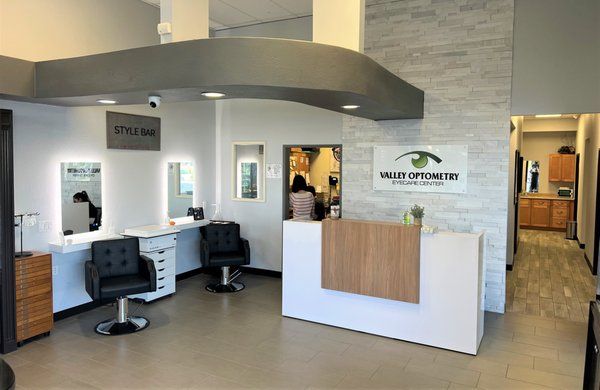
Walking into a doctor’s office for the first time can make anyone feel nervous. Maybe you’re worried about what they’ll find, or perhaps you’re concerned the exam might be uncomfortable or take too long. These feelings are completely normal, and you’re not alone in having them.
The good news is that eye exams are straightforward, painless procedures designed to protect your vision and overall health. When you visit a Reseda eye doctor for the first time, you’ll discover that the process is much simpler than you might have imagined. The entire experience focuses on understanding your current vision needs and detecting any potential issues before they become serious problems.
This guide walks you through exactly what happens during your first comprehensive eye examination, so you know what to expect and can feel confident about taking this important step for your eye health.
Initial Consultation and Medical History
Your appointment begins with a conversation, not with bright lights or intimidating equipment. The staff will ask about your personal eye health history, including any vision problems you’ve noticed, eye injuries you’ve experienced, or surgeries you’ve had.
Family history plays a bigger role in eye health than many people realize. Conditions like glaucoma, macular degeneration, and diabetes-related eye problems often run in families. Don’t worry if you don’t know every detail about your relatives’ eye health – just share whatever information you have.
This information-gathering phase might seem lengthy, but it serves an important purpose. The more your doctor understands about your health, lifestyle, and concerns, the better they can customize your care and catch potential problems early.
Basic Vision Tests and Refraction
The classic eye chart test probably looks familiar from movies or previous medical appointments. You’ll read letters of decreasing size to measure how clearly you see at different distances. This test, called visual acuity testing, establishes a baseline for your current vision sharpness.
The refraction test determines whether you need glasses or contact lenses. You’ll look through a device called a phoropter while the doctor changes different lenses and asks, “Which is clearer, one or two?” Don’t stress about giving the “right” answer – the doctor can tell from your responses which prescription works best for you.
Some people worry they’ll fail these tests somehow. That’s not how eye exams work. There are no passing or failing grades, only measurements that help determine what your eyes need for optimal vision and health.
Distance vision gets tested first, followed by near vision assessment. The doctor might ask you to read from a card held at reading distance. This helps identify presbyopia, a natural aging change that affects nearly everyone eventually.
These foundational tests set the stage for everything else that follows. They give the doctor important information about your current vision status and help guide which additional tests might be beneficial.
Comprehensive Eye Health Evaluation
Eye pressure testing checks for glaucoma, often called the “silent thief of sight” because it typically causes no symptoms until significant vision loss occurs. The test involves a quick puff of air directed at your eye, or sometimes a gentle probe that briefly touches the eye surface. Most people find this less uncomfortable than they expected.
The doctor examines your cornea using a microscope called a slit lamp. This detailed look reveals scratches, infections, or other corneal problems that might affect your vision or comfort. The examination feels similar to having someone look closely at your eye with a bright flashlight.
Pupil dilation allows the doctor to see inside your eyes more clearly. The drops that dilate your pupils might sting briefly when first applied, but the discomfort passes quickly. Your vision becomes blurry for several hours afterward, particularly for close-up tasks like reading.
During the dilated exam, the doctor examines your retina and optic nerve for signs of diseases like macular degeneration, diabetic retinopathy, or glaucoma. Many serious eye conditions show early changes in these areas long before you notice any vision problems.
Personalized Recommendations and Next Steps
After completing all necessary tests, the doctor discusses the findings with you in detail. This conversation covers what the tests revealed about your current eye health and what steps, if any, might be beneficial for maintaining or improving your vision.
If you need glasses or contact lenses, the doctor explains your prescription and discusses different lens options that might work best for your lifestyle. Bifocals, progressive lenses, computer glasses, and other specialty options each offer different advantages depending on your visual needs.
Treatment recommendations might include eye drops for dry eyes, specific exercises for vision therapy, or referrals to specialists for conditions requiring additional care. The doctor explains why each recommendation matters and what you can expect from following their advice.
Moving Forward With Confidence
Your first eye exam provides valuable baseline information about your vision and eye health. The process is designed to be thorough yet comfortable, giving you and your doctor the information needed to maintain your sight for years to come.
Most patients leave their first comprehensive eye exam feeling relieved that the experience was much easier than anticipated. The temporary inconvenience of dilation or the brief discomfort of pressure testing seems minor compared to the peace of mind that comes from knowing your eyes are healthy.
Regular eye exams become even easier once you’ve been through the process and understand what to expect. Early detection of problems makes treatment more effective and helps preserve your vision throughout your lifetime.
Don’t let anxiety about the unknown prevent you from taking this important step for your health. Schedule your comprehensive eye examination and take control of your vision health today.
Frequently Asked Questions
How long does a first eye exam usually take?
A comprehensive first eye exam typically takes 60 to 90 minutes, depending on which tests are needed and whether your pupils are dilated. Allow extra time for paperwork and discussion of results.
Do I need to bring anything with me to the appointment?
Bring your current glasses or contact lenses, a list of medications you take regularly, your insurance card, and any previous eye exam records you have. Sunglasses are helpful if your pupils will be dilated.
Will my eyes be dilated during the first exam?
Dilation depends on your age, health history, and what the initial examination reveals. Many first-time patients do have their pupils dilated to allow thorough evaluation of the retina and optic nerve.
Can I drive after my eye exam?
You can drive after most eye exams, but dilation makes driving difficult for 3-4 hours. Arrange alternative transportation if dilation is planned, or ask if the dilated portion can be scheduled for a separate visit.
How often should I schedule eye exams after the first one?
Most adults need comprehensive eye exams every 1-2 years, but your doctor will recommend a schedule based on your age, health conditions, and risk factors. Some people need more frequent monitoring for specific conditions.
