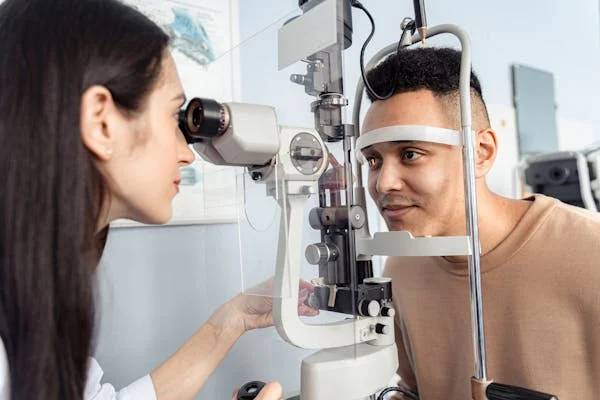
Finding the right optometrist is crucial to maintaining good eye health and receiving quality care. In Granada Hills, numerous eye care professionals offer a range of services, but not all provide the same level of expertise and patient-centered care. Whether you need a routine eye exam, prescription glasses, or treatment for an eye condition, choosing the wrong optometrist can lead to poor service, misdiagnoses, and unnecessary stress. To ensure you receive the best possible care, it’s important to recognize warning signs before committing to an optometrist. Here are six red flags to watch out for when selecting an eye care professional in Granada Hills.
Limited Experience and Credentials
One of the first things you should check when selecting an optometrist is their credentials and experience. A lack of proper certification, minimal experience, or an unclear professional history should be considered a major red flag. A reputable optometrist should have the necessary licenses, degrees, and affiliations with recognized optometric associations. Additionally, experience plays a critical role in diagnosing and treating various eye conditions. If an optometrist’s background is difficult to verify or they lack extensive experience in the field, it may be best to look elsewhere for your eye care needs. Eye care clinics like Hillside Optometry provide expert optometrist services in Granada Hills, offering comprehensive eye exams, prescription eyewear, and advanced eye care solutions. Their patient-focused approach and modern technology ensure top-quality vision care for individuals and families in the community.
Poor Patient Reviews and Reputation
Online reviews and word-of-mouth recommendations can reveal a lot about an optometrist’s professionalism and quality of care. If an eye doctor has numerous negative reviews highlighting long wait times, unprofessional behavior, or rushed appointments, it is a sign that their practice may not be up to standard. While a few negative reviews are normal, a pattern of consistent complaints should not be ignored. Check platforms like Google, Yelp, and healthcare review sites to get an idea of what past patients have experienced. A reputable optometrist should have a history of satisfied patients who appreciate their expertise and patient-centered approach.
Outdated Equipment and Technology
Advancements in optometry have led to better diagnostic tools and treatment options, improving the accuracy of prescriptions and the early detection of eye diseases. If an optometrist’s office appears outdated, lacks modern technology, or relies on old-fashioned equipment, it could be a sign that they are not staying updated with industry advancements. State-of-the-art technology such as digital retinal imaging, optical coherence tomography, and automated refraction systems allow for more precise assessments and improved patient outcomes. A clinic that does not invest in updated equipment may not be able to provide the highest level of care.
Lack of Personal Attention and Rushed Appointments
A great optometrist takes the time to listen to their patients, address concerns, and conduct thorough eye exams. If you feel rushed during your appointment, or if the optometrist does not take the time to explain test results and treatment options, it may indicate that they are more focused on quantity over quality. Personalized care is essential when dealing with eye health, as every patient’s needs are different. If an optometrist seems dismissive, inattentive, or unwilling to answer your questions, it might be best to seek care elsewhere.
Aggressive Sales Tactics
While optometrists often sell eyewear and contact lenses, their primary focus should be on providing quality eye care, not making a sale. If you feel pressured to purchase expensive frames, unnecessary lens upgrades, or costly procedures that do not seem essential, it may indicate that the optometrist prioritizes profit over patient well-being. A trustworthy eye doctor will recommend products and treatments based on your needs rather than pushing unnecessary purchases. Be wary of clinics that emphasize sales over medical advice, as this could compromise the quality of care you receive.
Poor Office Management and Long Wait Times
An optometrist’s office should be well-organized, clean, and efficient. If you consistently experience long wait times, scheduling difficulties, or poor customer service, it could indicate mismanagement within the practice. While occasional delays are understandable, frequent scheduling issues and an unresponsive staff can be frustrating and a sign of deeper operational problems. A well-run optometry office values patients’ time, provides prompt and friendly service, and ensures a smooth experience from booking an appointment to post-visit follow-ups. If you notice consistent disorganization, it may be a sign that the practice is not operating efficiently.
Conclusion
Choosing an optometrist in Granada Hills requires careful consideration to ensure you receive high-quality eye care. By being aware of these red flags—limited experience, poor reviews, outdated equipment, lack of personal attention, aggressive sales tactics, and poor office management—you can make an informed decision about who to trust with your vision. Your eye health is too important to leave in the hands of a subpar professional. Taking the time to research and evaluate potential optometrists will ensure you receive expert care from a provider who prioritizes your well-being.
Featured Image Source: https://images.pexels.com/photos/6749698/pexels-photo-6749698.jpeg?auto=compress&cs=tinysrgb&w=600
