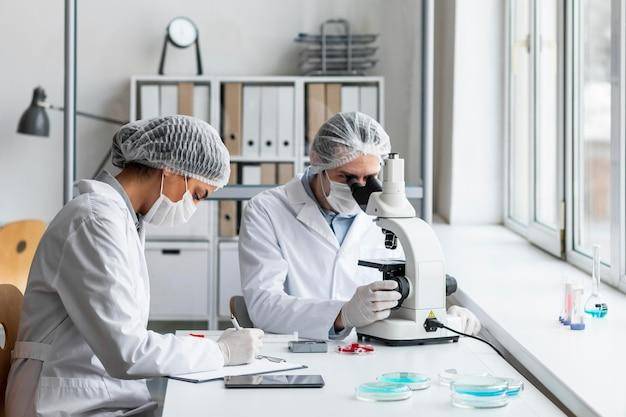
The human body is a vital tool for medical students and scientists. Despite the advent of sophisticated 3-D software, cadaver dissection remains an essential part of anatomy teaching.
A study found that individuals with a biomedical background and higher levels of education are more likely to perceive whole-body donation positively than those without these characteristics.
It is a no-cost & compassionate alternative to traditional funeral arrangements
For many people, a traditional funeral is a very expensive and heartbreaking decision. Luckily, there are alternatives that can help you save money while leaving behind a lasting legacy. One such option is donating your body to medical education. This allows future doctors and other health professionals to learn the anatomy of the human body, which is necessary for their practice. However, this type of donation is a little more complicated than simply registering as an organ donor or donating blood. This is because the process involves a whole body and can sometimes be a more lengthy procedure.
Whole-body donation companies like United Tissue Network provide individuals the opportunity to donate their bodies for medical research and education. This program supports advancements in healthcare by aiding medical schools, research facilities, and hospitals. Donations help train professionals, develop treatments, and enhance scientific understanding, all while ensuring ethical practices.
Most programs that accept whole body donations will cover all costs associated with the donation, including transportation and cremation. However, you should always research your options before choosing a program. Make sure that the donation organization has a reputation for compassionate service and follows ethical standards. For example, reputable organizations will not sell or profit from donated bodies that were intended for research.
The primary reason for donating a body is to help future doctors and other healthcare professionals gain a thorough understanding of the structure of the human body through dissection. Medical and healthcare students must complete a rigorous medical training process before becoming licensed physicians or nurses, and they need to know the anatomy of the human body in order to provide care for their patients. This is achieved through the use of cadavers, which are obtained through donations from people in Maine.
Besides assisting medical and healthcare students, donated bodies are used for other purposes, such as teaching first responders new clinical procedures. For example, law enforcement officers, fire fighters, and military personnel benefit from cadaver training. In addition, scientists are able to conduct experiments using donated bodies. These discoveries can aid in the development of medical technology and improve treatment methods for a wide range of illnesses.
It is a way to leave a legacy of service to humanity
Body donation is a benevolent act that can have a direct impact on medical breakthroughs and improve healthcare for generations to come. It allows doctors to gain an in-depth understanding of the anatomy of the human body, a necessary step in preparing them for the practice of medicine. In addition, it also helps them to stay updated with the latest advancements in the field of medicine.
The gift of a body after death to medical science is an invaluable asset for those learning the art of surgery, developing medical devices and training physicians and first responders. The use of cadavers in medical education and research is essential for the future of mankind, as it provides the most accurate way to understand the complexity of the human body.
This selfless act of donating the body after death is an excellent opportunity to leave a legacy of service to humanity. This is particularly true for families who have had to pay for a loved one’s funeral services, as these costs can be reduced by choosing body donation. Furthermore, reputable body donors will cover the transportation and cremation expenses associated with the donation process.
Once the donor’s body or parts have been used for education, they are typically cremated or buried and returned to their family or designees. While it may not be possible to provide specific details about which tissues were recovered or where they were distributed, most accredited NADOs offer letters back to the donor’s designee(s) describing how their loved one’s donation has assisted research, education, and training. These organizations have staff on hand to help potential donors and their families make informed decisions.
It is a way to support medical education
Body donation is an essential part of medical education. It enables students to study the human anatomy in detail and helps them to master their comprehension of the structure and function of the body. Without it, doctors, dentists, nurse practitioners, and physiotherapists would be unable to practice their professions. The primary source of the cadavers used in medical school programs is private donation. Anyone 18 years of age or older can make this contribution.
Anatomical gift program participants are a diverse group of people who are committed to supporting the education and research of medical professionals. Their generosity contributes to the success of medical schools, hospitals, and biomedical research. Their selfless acts will have a lasting impact on future generations of physicians, healthcare workers, and scientists.
In addition to assisting with the basic anatomy curriculum, the MCW Anatomical Gift Registry provides bodies for various clinical research projects. These projects involve the testing of surgical techniques, including implant procedures like spinal surgeries and joint replacements. The results of these experiments can help to develop better surgical techniques, thereby improving patient care and quality of life.
Despite concerns about the negative effects of cadaveric dissection on student learning, most studies report positive outcomes following this form of teaching. In fact, students who have been exposed to cadaveric dissection are more likely to be open to alternative forms of teaching such as simulation and virtual models. This is because students who are familiar with the anatomical features of the body are more comfortable with practicing their skills in simulations and models.
Volunteering to donate one’s body to science is an important decision for someone, and their family members should be aware of the process. The decision to donate one’s body for medical education may be a complex one, and it’s often difficult to express that wish to loved ones. However, a reputable body donation program can guide the donor through this process and provide support for his or her family.
Choosing to donate one’s body is a generous act of kindness that helps to ensure the medical education and research of future healthcare workers and researchers. It also relieves the financial burden on the surviving family members, as there is no cost to transport and dispose of the cremains after the donation.
It is a way to support research
The donation of human bodies for medical education and research is a valuable contribution to the future of humanity. The gift of body donation allows students to gain a deeper understanding of the complexity of human anatomy, which will make them more compassionate doctors and researchers in their future careers. It also gives students an opportunity to learn how to communicate with patients about the delicate topic of death. This will help them provide the best care possible to their patients.
Whole body donors help medical researchers develop new surgical techniques, implantable devices, and more. They also play a critical role in training surgeons and other healthcare professionals to save lives. This is why it’s so important to donate your body or that of a loved one after death.
Anatomical donations are the main source of human bodies used in medical education and research in the United States. People choose to become anatomical donors for a variety of reasons, including wanting to contribute to the advancement of medical science and to help future doctors and researchers find cures for diseases. In addition, many anatomical donors feel it is a way to honor their deceased family members and loved ones.
It is important that your next-of-kin understands the donation process before they agree to it. If you are not a close relative, you can ask your family members or executor to fill out a registration form and sign it on your behalf. You should also discuss the donation with your doctor before you decide to donate. Some programs will not accept bodies with a history of serious illnesses, such as HIV and hepatitis C, because they pose a risk for the safety of those working with them.
Featured Image Source: https://img.freepik.com/free-photo/medium-shot-scientists-laboratory_23-2148882091.jpg?ga=GA1.1.2048020608.1733121535&semt=ais_hybrid
